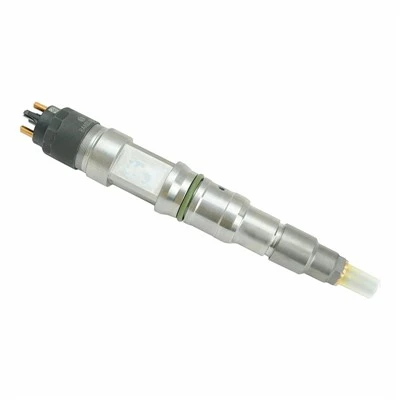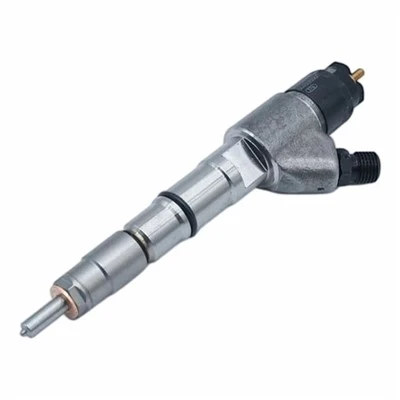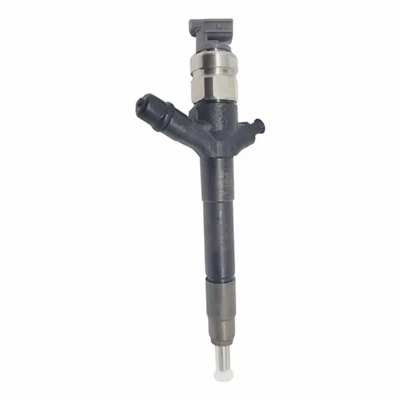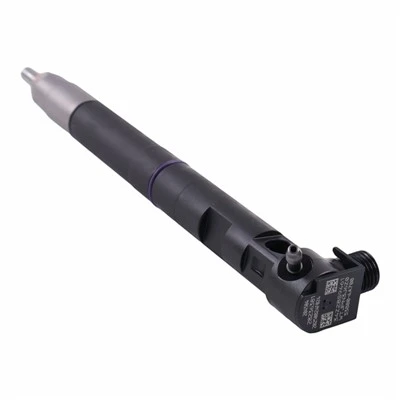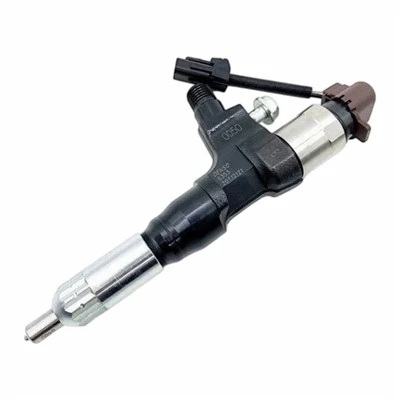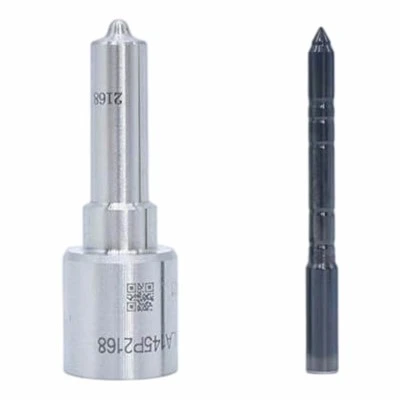
A fuel injector is an electromagnetic valve device used in internal combustion engines. Its core structure typically comprises components such as a valve body, needle valve, return spring, armature, electromagnetic coil, fuel inlet filter, and wiring harness connector. Its primary function is to receive commands from the Engine Control Unit (ECU) and, at precise moments, spray a metered amount of atomized fuel into the engine's intake manifold or combustion chamber, where it mixes with air for combustion.
The injector is controlled by electromagnetic pulse signals from the ECU. When the electromagnetic coil is energized, it generates magnetic force that pulls the needle valve open-overcoming the spring force-allowing high-pressure fuel to spray from the nozzle; when the signal ceases, the spring force returns the needle valve to its closed position, halting fuel injection. The quantity of fuel injected is precisely controlled by the duration for which the electromagnetic coil is energized (the injection pulse width).
As a key actuating component of the engine's fuel supply system, its performance directly impacts the engine's power output, fuel economy, and emission levels.