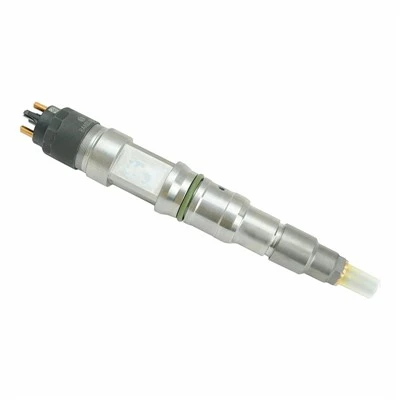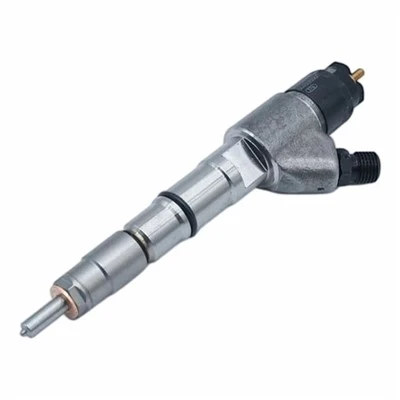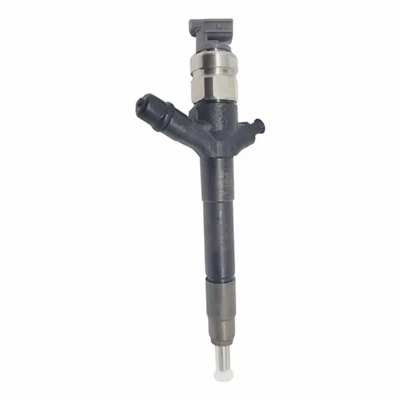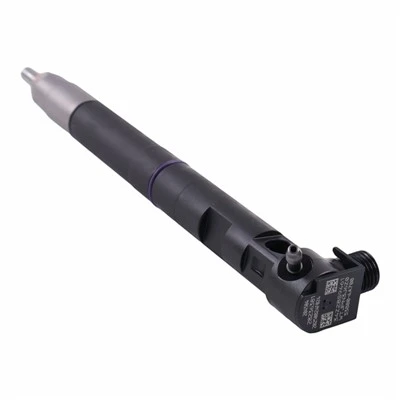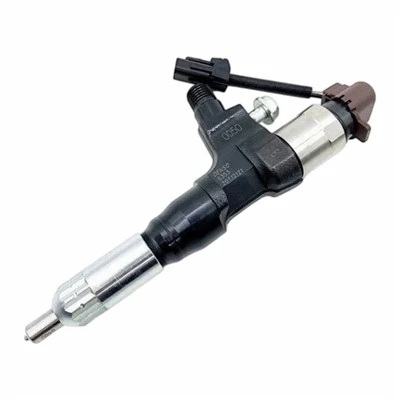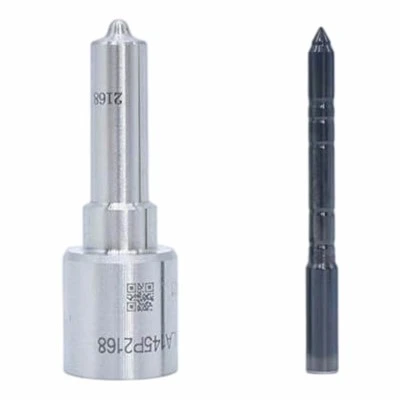
In the future, the technology behind electronically controlled fuel injection systems will primarily evolve toward greater intelligence, high efficiency and energy conservation, and lightweight design. Intelligent systems will possess self-learning and optimization capabilities, allowing them to adjust fuel injection parameters in real time based on factors such as driver habits, road conditions, and engine operating status. The development of highly efficient, energy-saving systems will rely on the application of advanced control algorithms-such as Model Predictive Control (MPC) and adaptive control-and optimized combustion technologies to refine fuel injection parameters in real time and enhance combustion efficiency. Lightweight systems will increasingly incorporate materials such as aluminum alloys, magnesium alloys, and carbon fiber composites to achieve lighter overall designs.
On a global scale, stringent environmental regulations are driving technological advancements in electronically controlled fuel injection systems. Furthermore, the application of these systems is set to expand as they serve as auxiliary components in new energy vehicles, including hybrids.