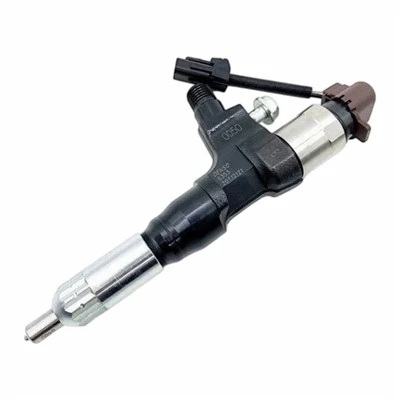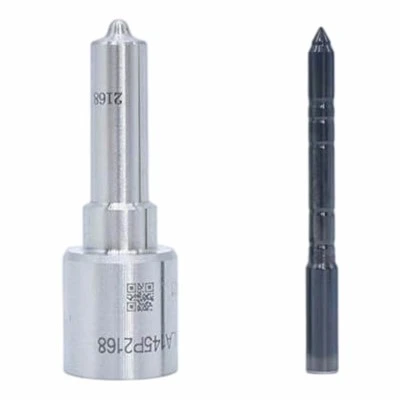
A valve is a device used to control the flow of fluid media (such as water, gas, or oil) and is typically installed in piping systems. It functions by opening and closing a valve disc to regulate the flow rate and pressure of the medium. Valves generally consist of three main components: The valve body, the valve disc, and the valve stem. The valve stem serves as the connecting link between the valve disc and the operating mechanism, such as a handwheel or an electric motor.
The threads found on the valve stem are commonly referred to as "stem threads." Located at the upper end of the stem, they interface with the handwheel or motor to control the opening and closing of the valve. There are various types of stem threads; the most common include standard threads (oriented perpendicular to the stem axis) and V-shaped threads (featuring a triangular cross-section). Different valve models require specific types of stem threads.
The stem thread is a critical component that directly affects the valve's operation. Damage or defects in the stem threads can prevent the valve from functioning correctly; in severe cases, this may lead to media leakage within the piping system or damage to the equipment. Therefore, proper care and maintenance of the stem threads are essential during the use and servicing of the valve.
To ensure the valve operates correctly, the stem threads must be inspected and maintained regularly. Generally, the stem and threads should be cleaned and lubricated after each use. Furthermore, proper storage is vital; valves should be kept in a clean, dry, and well-ventilated area and undergo periodic inspection and maintenance.