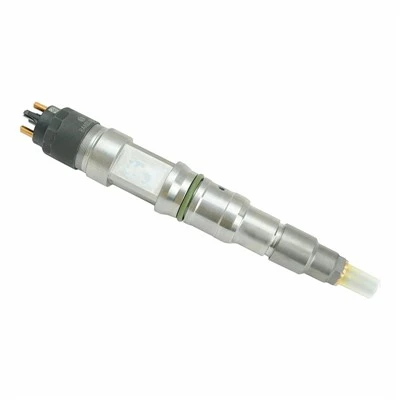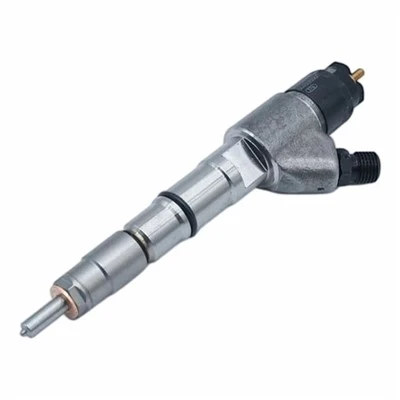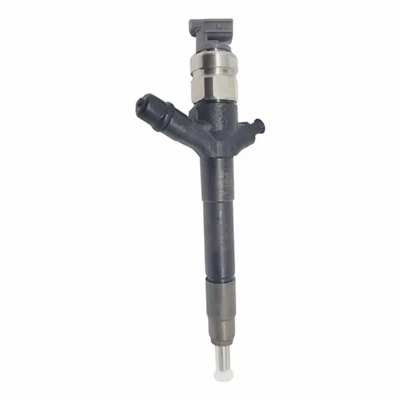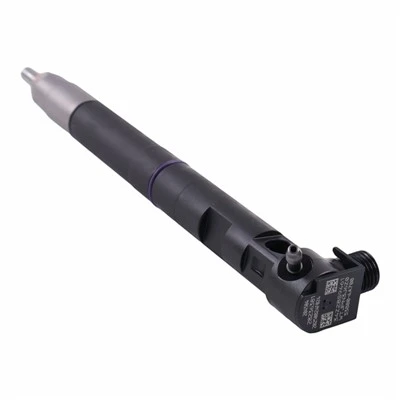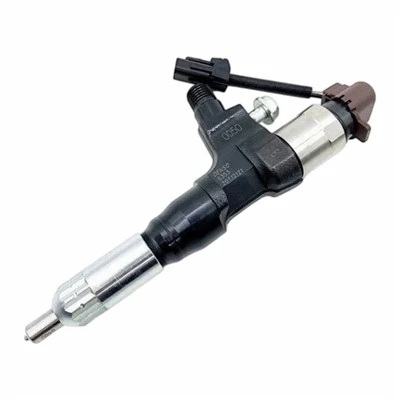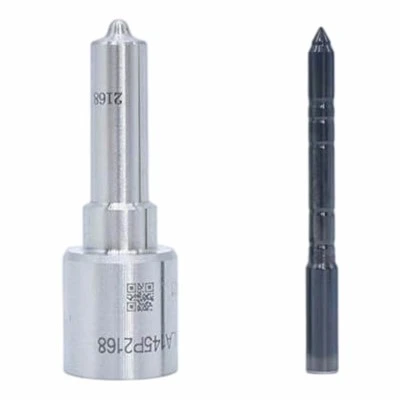
Fuel injector leaks can be repaired; the specific repair method depends on the cause of the leak and the extent of the damage. Details are provided below:
Prerequisite for Repair: Identifying the Cause. Fuel injector leaks can stem from various factors, requiring professional inspection to pinpoint the specific issue. Common causes include:
Seal Aging: The rubber O-ring connecting the injector to the fuel line deteriorates due to prolonged exposure to high temperatures or fuel corrosion, resulting in seal failure.
Injector Needle Valve Sticking: Carbon deposits or impurities clog the gap between the needle valve and the valve seat, preventing proper fuel atomization and causing leaks.
Injector Body Cracking: External impact or manufacturing defects cause cracks in the injector body itself.
Abnormal Fuel Pressure: Excessive fuel system pressure (e.g., due to a faulty fuel pump or damaged pressure regulator) exceeds the injector's tolerance limits.
Repair Methods: Targeted Solutions. Repair methods vary based on the cause of the fault:
Replacing Seals: If the leak is caused by an aging O-ring, the injector must be removed and the specific rubber O-ring replaced. Professional tools should be used for this procedure to avoid damaging the injector's surface.
Cleaning or Replacing the Needle Valve: If the needle valve is stuck, an ultrasonic cleaner with a specialized cleaning agent can be used to remove carbon deposits; if the needle valve is severely worn, the entire injector assembly must be replaced.
Repairing or Replacing the Injector Body: If the injector body is cracked, the repair method depends on the severity of the damage. Minor cracks can be repaired via welding (requiring professional equipment), but for severe damage, replacing the entire assembly is recommended.
Adjusting Fuel Pressure: If the leak is caused by excessive fuel pressure, components such as the fuel pump and pressure regulator must be inspected, and the pressure adjusted to the standard value (typically 250–300 kPa).
Repair Process: Professional Handling is More Reliable. It is recommended to take the vehicle to an authorized dealership or a professional repair shop. The process typically includes:
Fault Diagnosis: Using tools such as fuel pressure gauges and endoscopes to inspect the injector's operating status and confirm the location and cause of the leak. Fuel Injector Removal: Disconnect the fuel lines and electrical connections, then carefully remove the fuel injector (taking care to prevent contaminants from entering the fuel system).
Cleaning and Testing: Subject the fuel injector to ultrasonic cleaning and use a specialized test bench to measure parameters such as fuel delivery volume and spray atomization quality.
Repair or Replacement: Based on the test results, decide whether to repair the unit (e.g., by replacing seals or the needle valve) or replace the entire assembly.
Installation and Testing: Reinstall the fuel injector, reconnect the fuel lines and electrical wiring, and start the engine for a road test to confirm the leak has been resolved.
Precautions: Avoid DIY attempts.
Fuel injector repair requires specialized tools and expertise; attempting removal yourself could lead to fuel leaks or engine damage.
When replacing fuel injectors, use OEM or compliant parts to prevent secondary failures caused by compatibility issues.
After repair, clear any engine fault codes (if present) and inspect related components (such as spark plugs or oxygen sensors) to ensure they were not affected by the fuel leak.