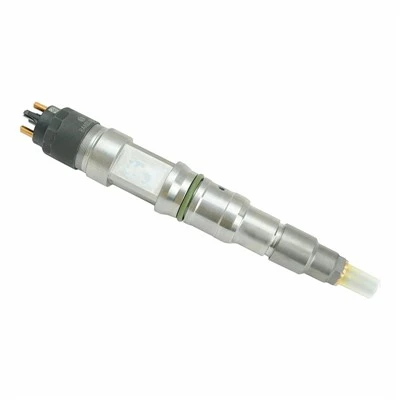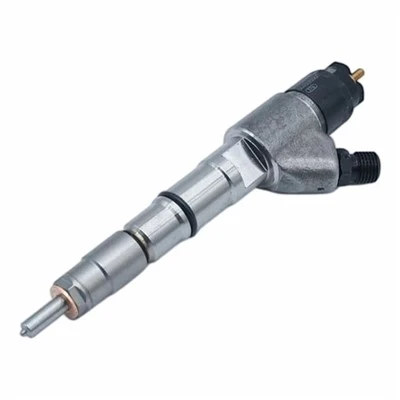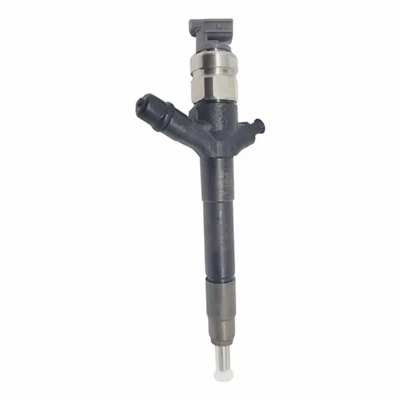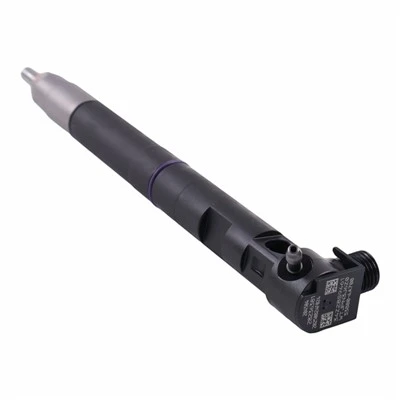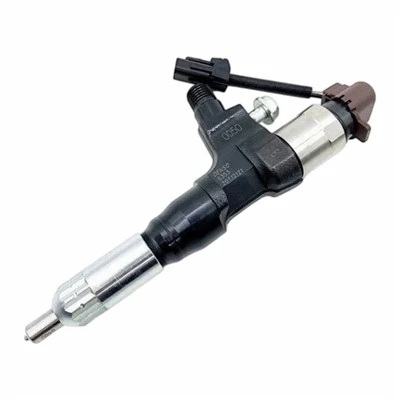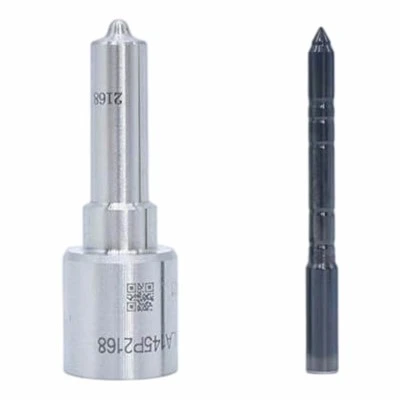
The core function of a diesel engine's electronically controlled injection system is to manage the fuel injection process electronically, enabling real-time control of injection quantity and timing based on operating conditions.
Control Functions
The control functions of the electronic system include managing fuel injection quantity and timing, idle speed, and cylinder-to-cylinder injection uniformity, as well as handling exhaust gas recirculation (EGR), pre-start heating, self-diagnostics, and fault protection. Regarding injection quantity, a base value is determined by throttle position and engine speed, subject to constraints such as emissions standards, drivetrain protection, and high-altitude speed limits; the final injection quantity is the lesser of the maximum allowable limit and the base quantity plus various compensation values. Injection timing control affects ignition delay and the rate of in-cylinder pressure rise, thereby influencing NOx emissions and noise levels; advancing the timing increases NOx emissions and noise, while retarding it can lead to higher HC and CO emissions and increased fuel consumption. Injection pressure control determines the base pressure based on engine speed and injection quantity, with adjustments made for coolant temperature and atmospheric pressure. In high-pressure common-rail systems, injection pressure can be regulated independently and flexibly, without being directly tied to engine speed. By controlling the drive signals to the injector solenoid valves, the injection rate profile can be flexibly managed to achieve the desired injection characteristics.
Multiple injection strategies encompass pilot injection, main injection, and post-injection. Pilot injection helps reduce NOx emissions and improve cold-start performance; main injection provides the primary power output; and post-injection can be used to raise exhaust temperatures to assist in the regeneration of the diesel particulate filter (DPF).