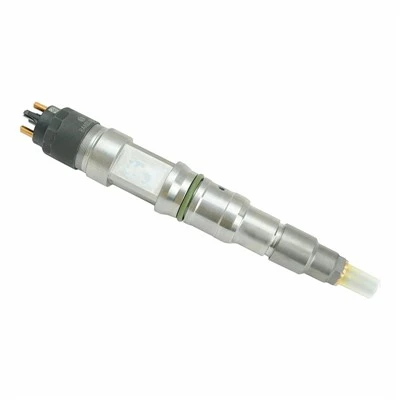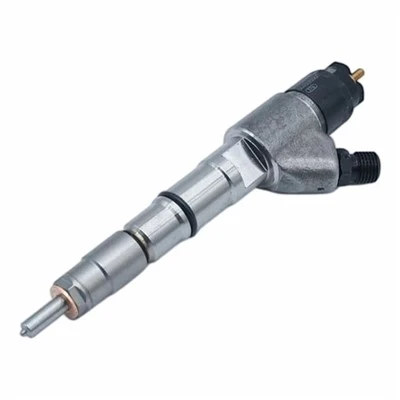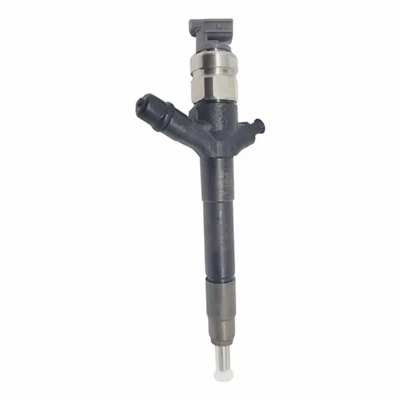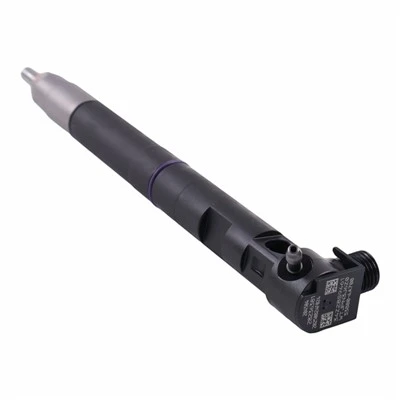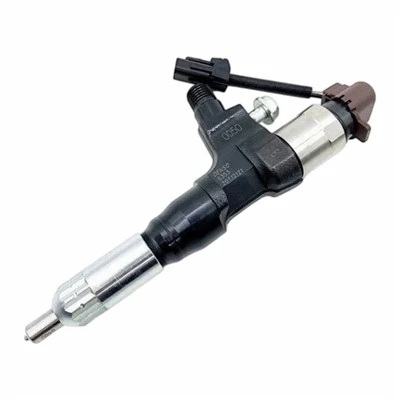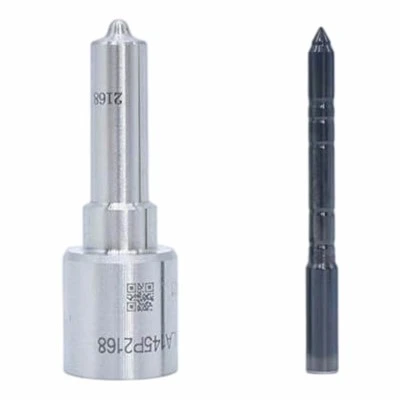
Based on system architecture, electronically controlled fuel injection technologies primarily include electronically controlled unit injectors (EUI), electronically controlled VE pumps, electronically controlled unit pumps (EUP), and electronically controlled high-pressure common rail systems.
Electronically controlled in-line pump and distributor pump systems represent the first generation of position-control technology. Electronically controlled unit pump systems feature an independent unit pump assembly for each cylinder and use an electronically controlled solenoid valve to regulate the start of injection; while they offer strong fuel adaptability and place fewer demands on the base engine's performance, they are bulky and noisy, making them more suitable for medium-to-large diesel engines. Electronically controlled unit injector systems integrate the high-pressure pump and the injector into a single unit, eliminating the need for high-pressure fuel lines; this results in high injection pressure and a compact footprint, though it requires significant modifications to the engine block, leading to widespread use in marine and commercial vehicle applications. Representative manufacturers include Delphi and Cummins.
The high-pressure common rail fuel injection system is the mainstream third-generation technology, comprising a high-pressure fuel pump, a common rail, electronically controlled injectors, an ECU, and various sensors. With independently adjustable rail pressure, the system enables flexible and precise control over injection quantity, timing, rate, and pattern, facilitating multiple injection events. Domestic companies, such as Beiyou Diankong, have developed independent R&D and manufacturing capabilities for high-pressure common rail systems.
The domestic market is characterized by the coexistence of multiple technical pathways. Due to its superior performance and broad adaptability, the high-pressure common rail system has become the mainstream technology for meeting China V, China VI, and stricter emission standards. Electronically controlled VE pumps, limited by their technical characteristics, see only limited application in light-duty diesel engines. Electronically controlled unit pumps remain in use in specific sectors thanks to their cost-effectiveness and fuel adaptability. The choice of technical pathway requires a comprehensive assessment of the base engine structure, performance optimization goals, costs, and emission regulatory requirements.