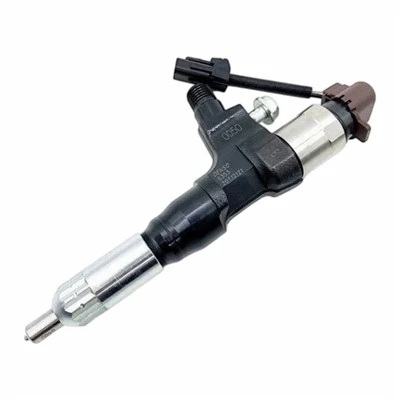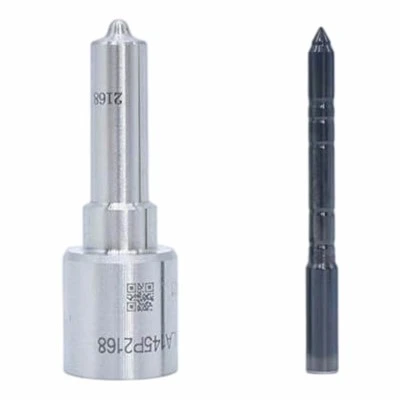
A valve seat is a critical component within a valve that supports the valve plug (or disc) and ensures the valve's sealing integrity.
The valve seat plays a vital role in the valve's structure. Typically located inside the valve, it mates closely with the valve plug to facilitate the opening, closing, and sealing functions. The design and material selection of the valve seat directly impact the valve's performance and service life.
When the valve is closed, the sealing surfaces of the seat and the plug fit tightly together to prevent fluid leakage. This necessitates that the seat material possesses excellent sealing properties and wear resistance to maintain a reliable seal over prolonged use. Furthermore, as the seat must withstand the operating pressure and temperature of the fluid, the material requires sufficient strength and high-temperature resistance.
In addition, the shape and dimensions of the valve seat are crucial considerations in valve design. Different valve types and applications require specific seat configurations; for instance, certain high-pressure valves utilize specially shaped seats to increase the sealing surface area and enhance sealing effectiveness, whereas valves subject to frequent cycling require seats optimized for wear resistance and durability.
In summary, as a key component, the valve seat's design, material, and dimensions directly influence the valve's performance and longevity. Consequently, careful design and selection of the valve seat are essential during the manufacturing process to ensure the valve meets diverse operational requirements.