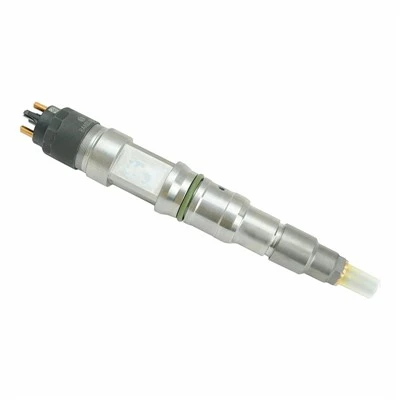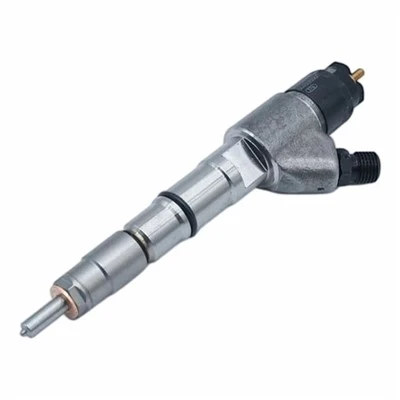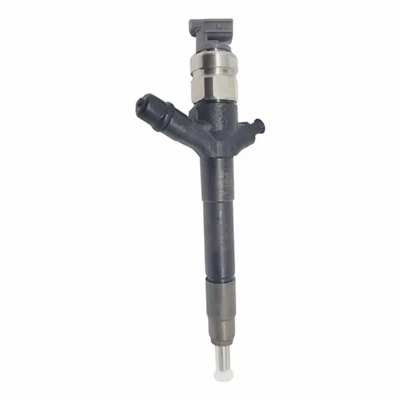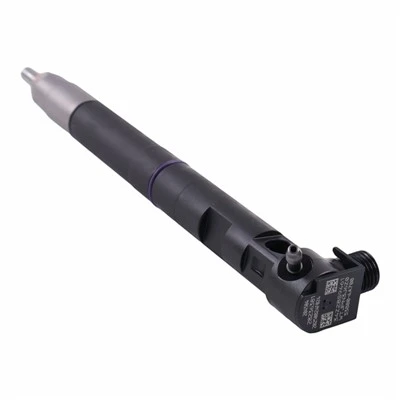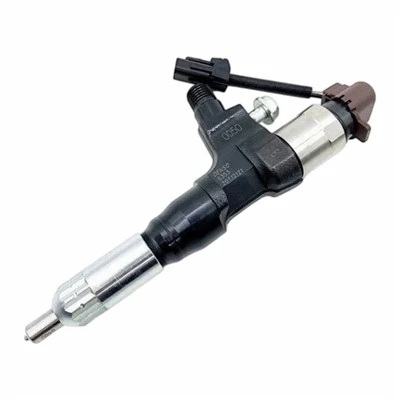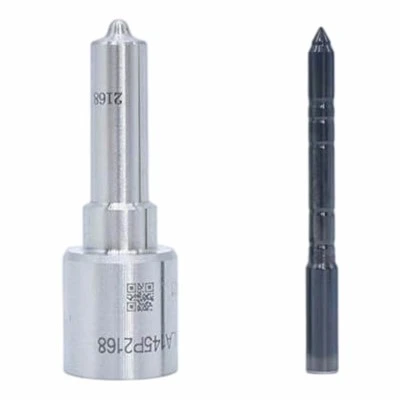
Valve assembly designs vary by type and application, but core components typically include the following:
Valve Body: The main structural component that withstands fluid pressure and connects to the piping; commonly made of cast iron, stainless steel, or brass.
Bonnet: Connects to the valve body to form a seal and protect internal components; it is removable to facilitate maintenance.
Valve Disc/Plug: The core control element that regulates flow through movement (e.g., the wedge-shaped disc in a gate valve or the rotating sphere in a ball valve).
Seals: Prevent leakage; common materials include rubber, PTFE, or metal-to-metal hard seals.
Actuation Mechanism: Manual (handwheel, lever), electric, pneumatic, or hydraulic devices used to operate the valve (opening and closing).
Valve Stem: Connects the actuation mechanism to the valve disc and transmits force; it must possess corrosion and wear resistance.
Specialized valves may include additional components, such as the spring mechanism in safety valves or the hinge structure in check valves.