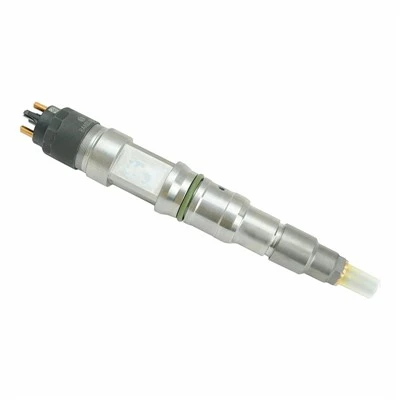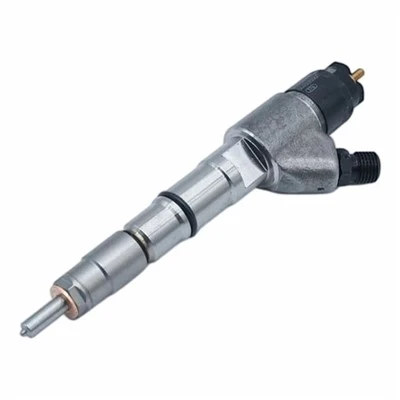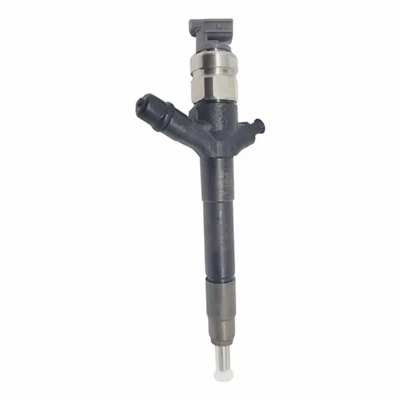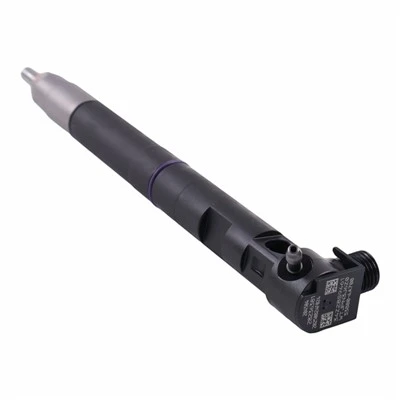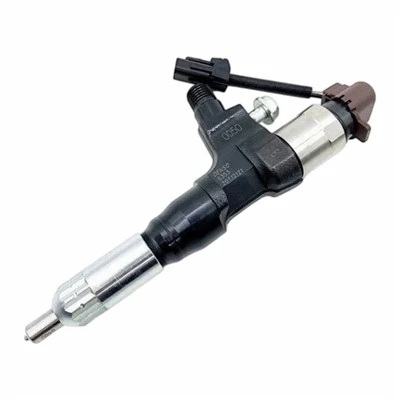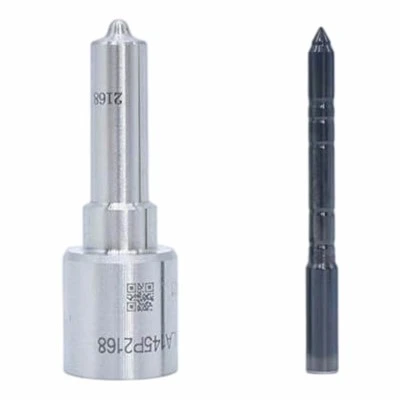
As a core component of the high-pressure common-rail system, the fuel rail (common rail) is a forged steel tube-typically with an internal diameter of 10 mm-that stores high-pressure fuel and distributes it evenly to the injectors, acting as an accumulator. Its volume is designed to dampen pressure fluctuations caused by the high-pressure pump's supply and the injectors' discharge, ensuring system stability and keeping pressure fluctuations below 5 MPa. Key accessories mounted on the fuel rail include a pressure sensor, a flow damper (flow limiter), and a pressure limiter (pressure relief valve).
In a high-pressure common-rail system, the pressure within the fuel rail is generated by a high-pressure pump; this pressure is independent of engine speed and can be continuously adjusted within a specific range by the Electronic Control Unit (ECU) via an electromagnetic pressure regulating valve. Third-generation systems can reach pressures of up to 2,500 bar (250 MPa), with fuel injection quantity determined by the rail pressure and the opening duration of the injector solenoid valve.
The fuel rail pressure sensor plays a critical role by measuring the real-time fuel pressure within the common rail with high precision and speed, converting the pressure reading into a voltage signal for the ECU; this is essential for controlling injection precision and timing.
Regarding common fault diagnosis, the P0088 diagnostic trouble code indicates that the ECU has detected fuel rail pressure exceeding the calibrated maximum value for a specified duration. Potential causes include a faulty fuel pressure regulator, a blocked fuel line, a malfunctioning fuel rail pressure sensor, or issues with the fuel pump control module.