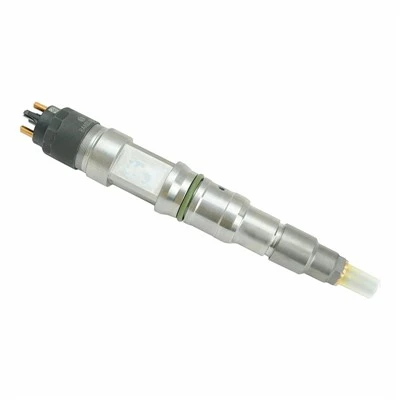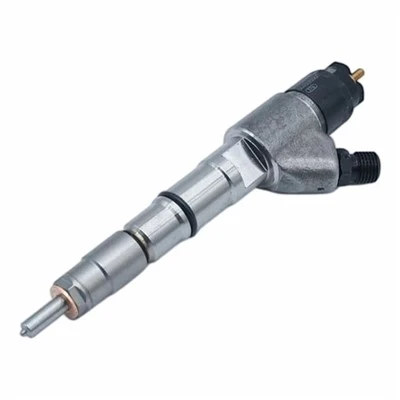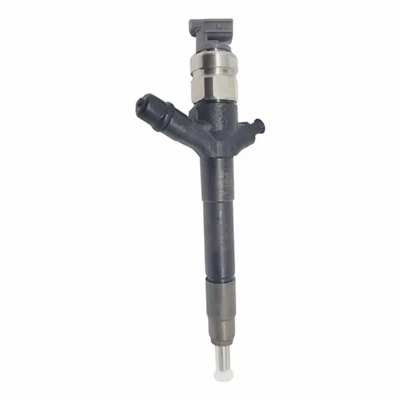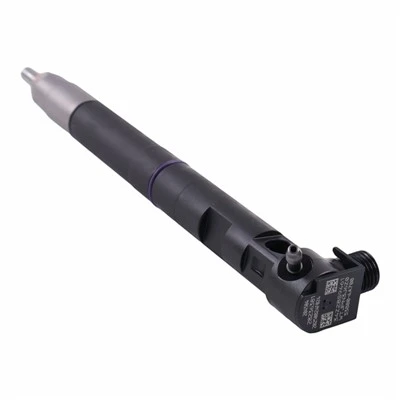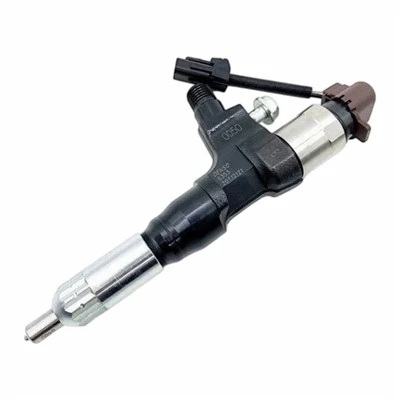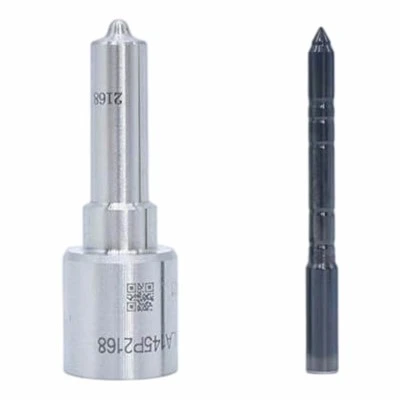
Common faults in common-rail fuel injectors include unstable fuel delivery, clogging, injector failure, and fuel system leaks. Targeted measures can effectively resolve these issues and restore the injector to normal operation.
Unstable Fuel Delivery
Unstable fuel delivery can stem from various factors, such as sensor malfunctions, Electronic Control Unit (ECU) issues, or wear on the injector itself. Addressing this requires diagnosis using a diagnostic tool to check the injector's operating status.
If a sensor is faulty, simply replacing the defective unit is sufficient. ECU issues may be resolved by reprogramming or replacing the ECU. If the injector itself is severely worn, it must be replaced.
Injector Clogging
Clogging is usually caused by impurities or moisture in the fuel, preventing the injector from spraying correctly. To resolve this, the fuel system should be cleaned and the fuel filter replaced regularly to ensure fuel cleanliness.
Clogged injectors can be cleaned using specialized agents, or replaced depending on the severity of the blockage.
Injector Failure
Injector failure is often caused by the aging or wear of internal components. Failure of critical parts-such as springs or valve bodies-can result in the injector failing to close properly or delivering excessive fuel.
Solutions typically involve professional repair or direct replacement with a new injector. When selecting a replacement, ensure high quality and compatibility to prevent future issues.
Fuel System Leaks
Leaks can lead to insufficient fuel supply to the injector and, in severe cases, pose safety hazards such as fire. Leaks may result from aging fuel lines, failed seals, or improper connections.
Upon detecting a leak, the fuel supply must be shut off immediately, the leak point located, and the necessary repairs or replacements performed. Regular inspection of the fuel system to ensure optimal operating conditions is an effective measure for preventing such incidents.
Maintenance and Prevention
Regular maintenance during daily use can significantly reduce the risk of fuel injector failure. Periodically replacing the engine oil and fuel filter effectively removes impurities from the fluids. During routine vehicle servicing, the common-rail system pressure and the operating status of the fuel injectors should be inspected.
When refueling diesel vehicles, choose reputable service stations to avoid using low-quality fuel. It is also crucial to use fuel system cleaners regularly; this not only prevents injector clogging but also improves fuel efficiency.
As a vital component of diesel engines, the proper functioning of the common-rail fuel injector directly impacts engine performance and longevity.
Understanding the operating principles and common faults of these injectors enables more effective daily maintenance and troubleshooting.
Solutions for injector issues vary-ranging from routine inspections and cleaning to necessary replacements-and should be determined based on the specific situation. It is hoped that every vehicle owner gains a thorough understanding of common-rail fuel injectors, thereby ensuring the safety and reliability of their vehicle.